Buying Guide
Where to Buy an Authentic Mahjong Set
The market is crowded. The honest sets are not. Here is how to tell them apart.
May 15, 2026 · 7 min read
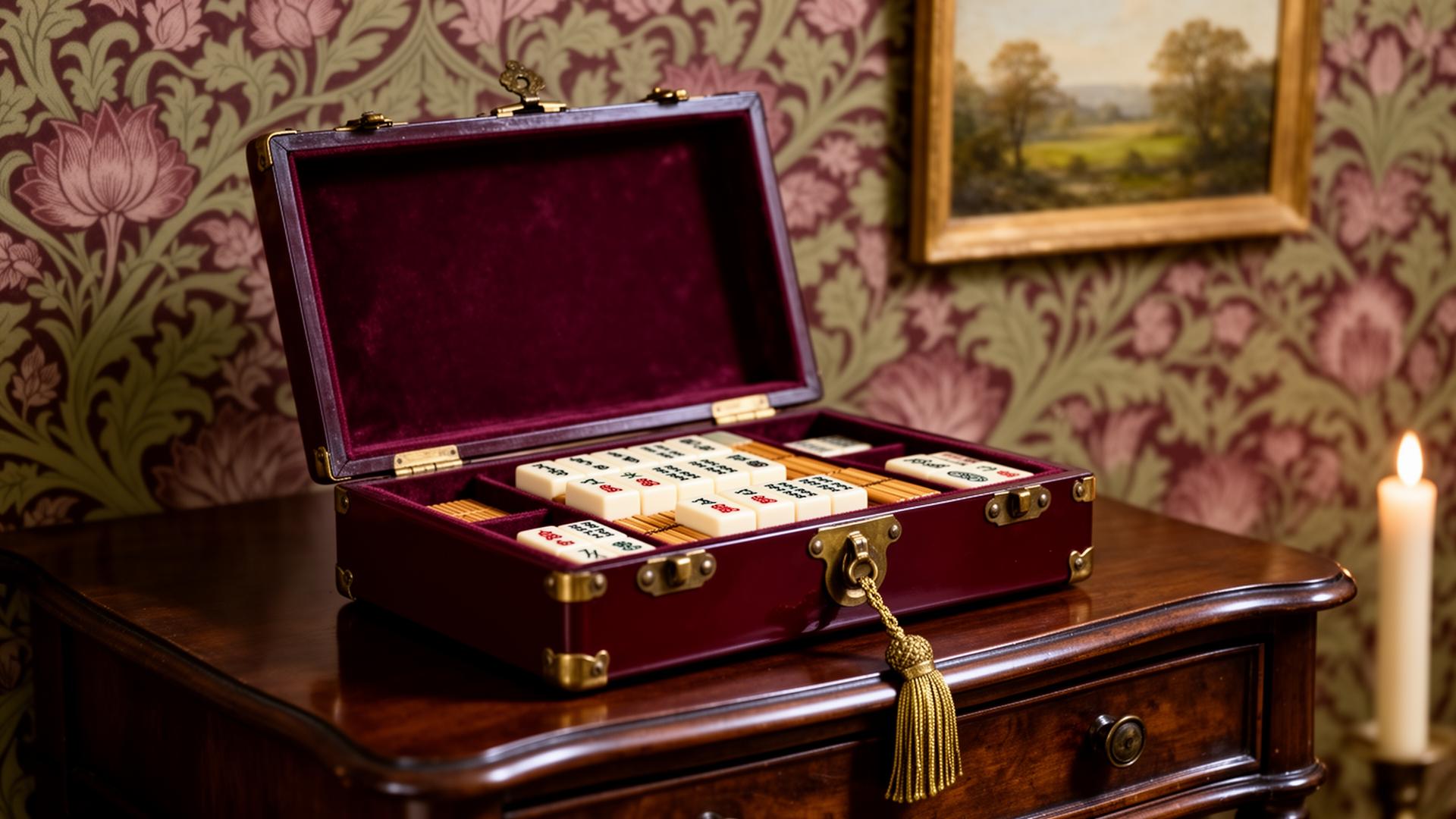
Search for a mahjong set online and you will scroll through pages of identical-looking boxes — most stamped from the same factory in Guangdong, most sold under a dozen different labels. The tiles inside are usually serviceable. Rarely are they beautiful, and almost never do they feel like something you would set out on a sideboard between games.
An authentic mahjong set, in our reading of the word, is one that has been considered. The tiles have been chosen for their weight in the hand. The case has been finished, not just assembled. The pushers do not warp in summer. And there is a person, somewhere, whose name is attached to the work.
What 'authentic' actually means
Authenticity in mahjong is not a single thing. A bone-and-bamboo set hand-carved in 1930s Shanghai is authentic. So is a French ivory set from a New York card-room in 1928. So is a contemporary acrylic set whose engraver still does the bamboo by hand. The line is not material — it is intent.
The tells are consistent. Tile faces are crisp at the edges; the engraving is filled rather than printed; the colors hold under candlelight without going neon; the back of every tile is the exact same shade of cream or jade; and the case smells like wood, not glue.
Where to look
Specialty maisons
Small houses that make one or two sets a season — The Mahjong Parlour, a handful of Hong Kong family workshops, a few American studios — are where the most considered work lives. Lead times are longer. Prices start around four hundred dollars for a complete American set. Every piece is intended to be passed down.
Vintage dealers and estate sales
If you are willing to do the hunting, vintage is unmatched. Look for sets with all 152 American tiles intact (or 144 for a Chinese set), original racks, and a case that closes flush. 1stDibs, Etsy's vintage section, and regional auction houses are reliable starting points. Inspect for warping, missing flowers, and yellowed jokers.
What to skip
Mass-market listings under one hundred and fifty dollars are almost always the same OEM set in a different sleeve. The tiles are light, the case is hollow, and the racks split within a year. They are fine for learning. They are not heirloom.
A short checklist
- ·166-tile count for American (152 playable + 14 spares and blanks)
- ·144 for Chinese, plus flowers if you play with them
- ·Tiles weigh between 18 and 24 grams each
- ·Engraving is filled, not printed on the surface
- ·Case is wood or solid acrylic — not cardboard wrapped in vinyl
- ·Pushers are heavy enough to slide a wall on their own
- ·There is a maker's mark or signature somewhere on the case
A set should outlast the table it was bought for.
The Maison
Shop the heirloom collection →Continue Reading
From the Journal
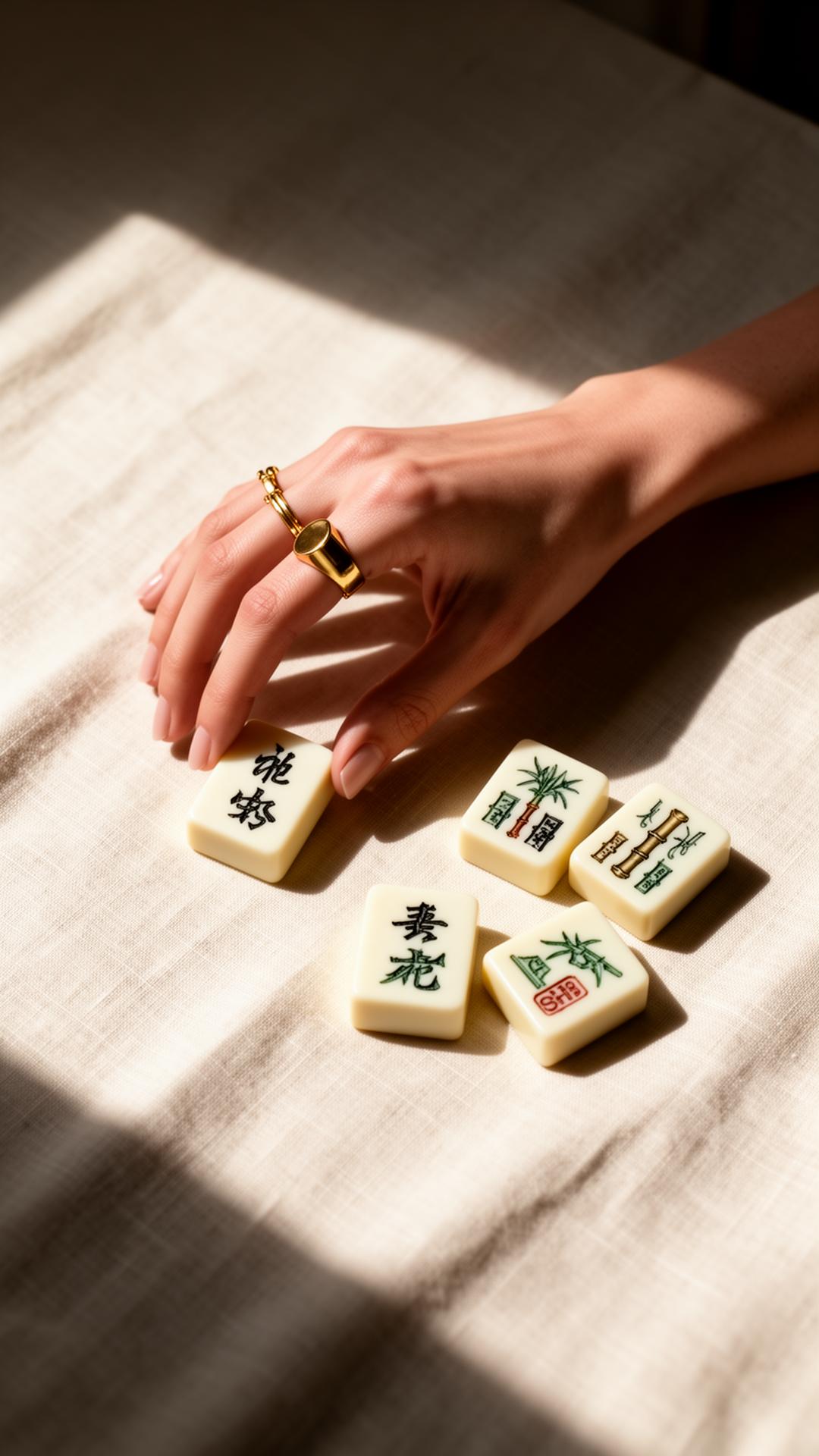
Buying Guide · 8 min
How to Choose a Mahjong Set: Tiles, Racks, Case
Three pieces decide whether a set becomes an heirloom. The tiles, the racks, and the case it travels in.
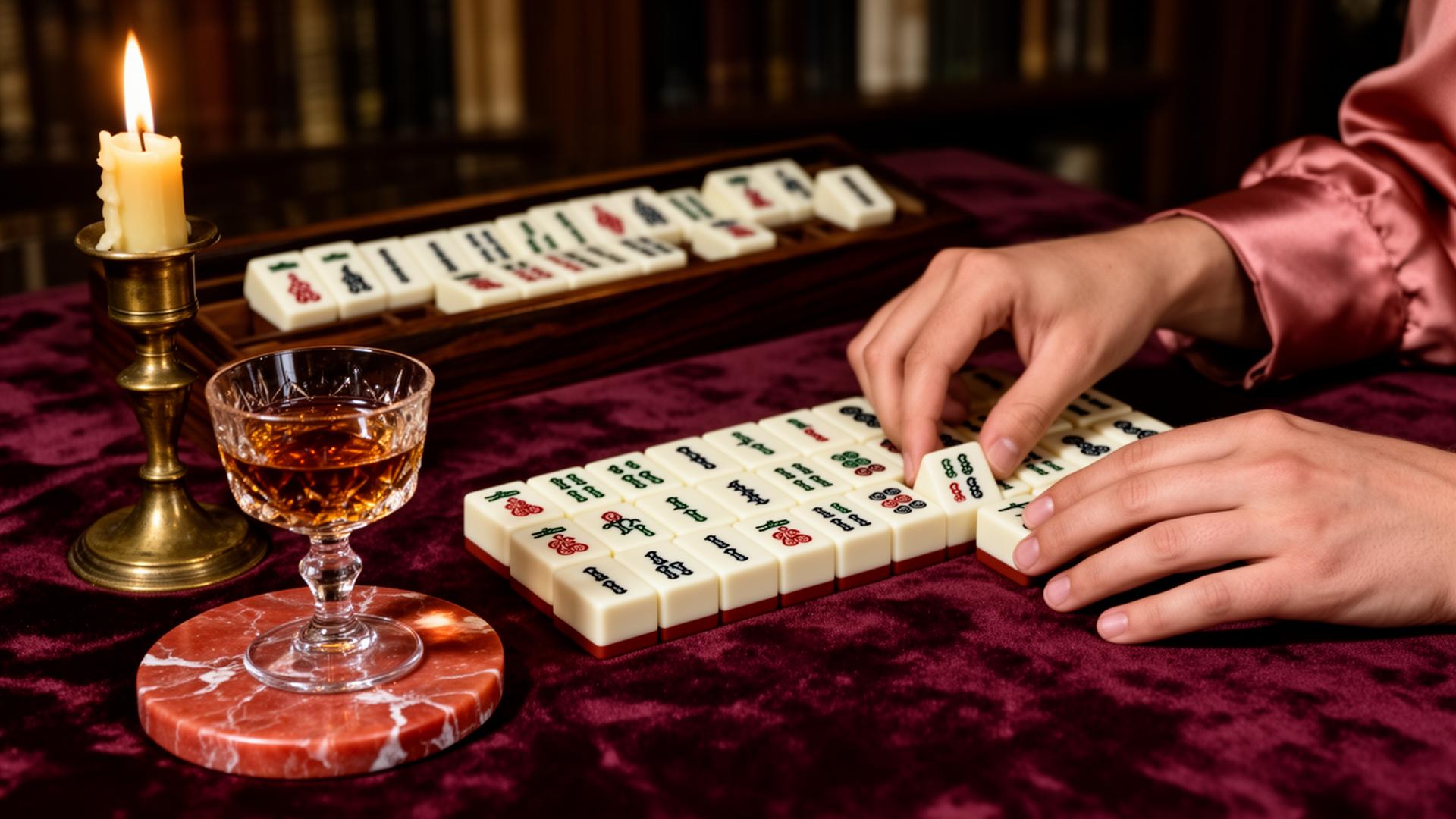
Compared · 6 min
American vs Chinese Mahjong Tiles, Compared
Same heritage. Different tables. What changes between an American set and a Chinese one — and what to choose.
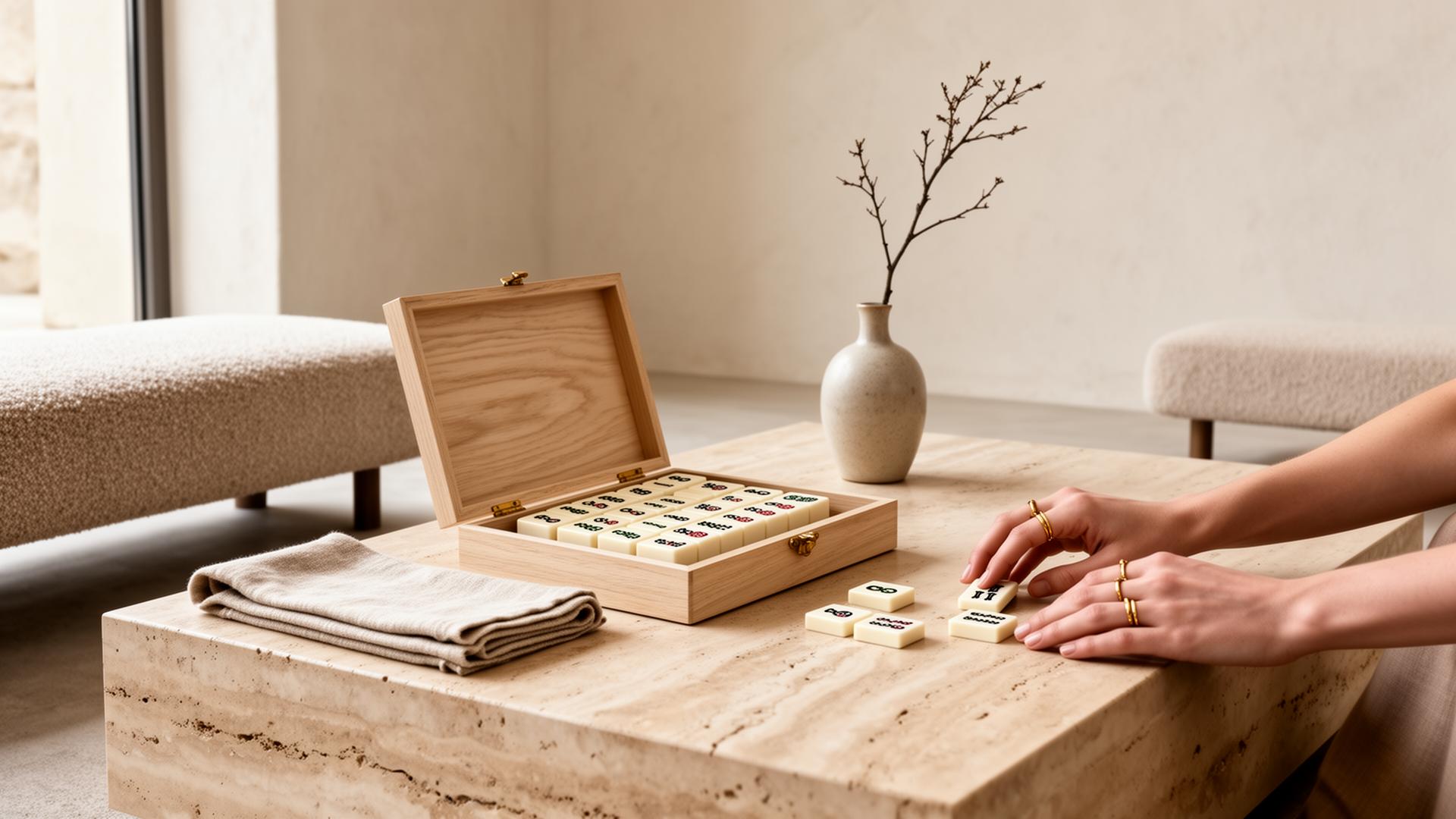
Buying Guide · 6 min
The Best Mahjong Set for Beginners
A first set should welcome you in, not test you. What to look for, and what to ignore.